



Dance Worker Digest | January 2026
Thursday, February 5, 2026
Dance Worker Digest | January 2026

| NOTE: This Digest is arriving a bit later than usual as our team paused work in observance of the January 30 National Shutdown. Thank you for your patience, and we’re glad to be back with updates to start the year. |
Dance Worker Digest
January 2026
Our first Dance Worker Digest of the year arrives amid major policy developments shaping the conditions for dance workers in New York and nationwide. This month covers new statewide safeguards for artificial intelligence, fresh data underscoring the affordability crisis facing artists, and policy priorities outlined in the Governor’s State of the State address, alongside a federal funding win for the arts. Together, these highlight both meaningful progress and the continued need for advocacy to secure equitable, sustainable futures for dance workers.
Governor Hochul signs RAISE Act, Establishing Statewide AI Safeguards
.png)
In December, Governor Hochul signed the Responsible AI Safety and Education (RAISE) Act into law. The RAISE Act sets baseline AI safety standards by requiring major AI companies to establish clear protocols managing high-risk systems. It includes protections for whistleblowers, mandates third-party audits, and authorizes the state to penalize companies for noncompliance.
After the State Legislature passed the bill last spring, Governor Hochul hesitated signing it, prompting Dance/NYC and other advocates to urge action. As federal efforts continue to roll back and deregulate AI oversight, including the Trump administration’s AI Action Plan, this law marks an important move toward protecting dance workers' creative labor and intellectual property.
- Review the press release on Hochul signing the RAISE Act
- Check out Dance/NYC’s past coverage on attempts to deregulate AI
Center for Urban Future Releases Creative New York Report Highlighting Affordability Crisis in the Arts
(1).png)
The Center for Urban Future recently released its Creative New York report, which highlights the creative sector's vital role in New York City’s economy and recovery, while showing how deeply affordability challenges are affecting artists and cultural workers. The report offered some key data points specific to the dance field:
- Since before the pandemic, the city has lost 18.8% of its dancers and 6.1% of creative workers overall.
- After adjusting for for cost of living, NYC dancers earn $6.63 less per hour than their peers nationwide.
- White dancers and choreographers earn 43% more than their non-white peers.
- One in four arts organizations in lower-income zip codes lost their only physical space during the pandemic.
The report illuminates significant hardships facing the arts community, and centers affordability in its recommendations, including artist housing, insurance options, and new revenue models. These findings strengthen ongoing advocacy, and offer important leverage for city-level policy conversations focused on affordability with the new administration.
Report cover image courtesy of Center for Urban Future
State of the State Unveils Governor’s Policy Priorities for 2026
.png)
In January, Governor Hochul gave her State of the State address, outlining policy priorities for the year with a strong focus on affordability. The address reinforced themes that will inform statewide advocacy, with the most significant announcement being a major investment in universal child care. While New York City already offers universal pre-K and 3-K, Hochul announced a $100 million investment to address gaps in 3-K, and to expand care for two-year-olds through a new "2-Care" program. The plan would fund 2,000 seats in its first year and 12,000 in its second year.
The Governor also announced new protections for houses of worship, schools, and hospitals against immigration enforcement. However, she did not include support for the New York for All Act, which would prohibit law enforcement from collaborating with ICE statewide.
Notably, the accompanying 160-page State of the State book introduced a a new initiative to support performing arts venues. The Saving Performing Arts and Cultural Experiences (NY SPACE) program would provide funding for performing arts organizations to acquire venues and support presenters at risk of losing their venues by assisting them to purchase space.
- Check out press release on State of the State
- Check out coverage of Governor Hochul’s 2026 State of the State
- Learn more and enroll for pre-K and 3-K
- Experience the 2026 State of the State Address
- Review the full 2026 State of the State Book
Congress Approves Funding for the National Endowment for the Arts
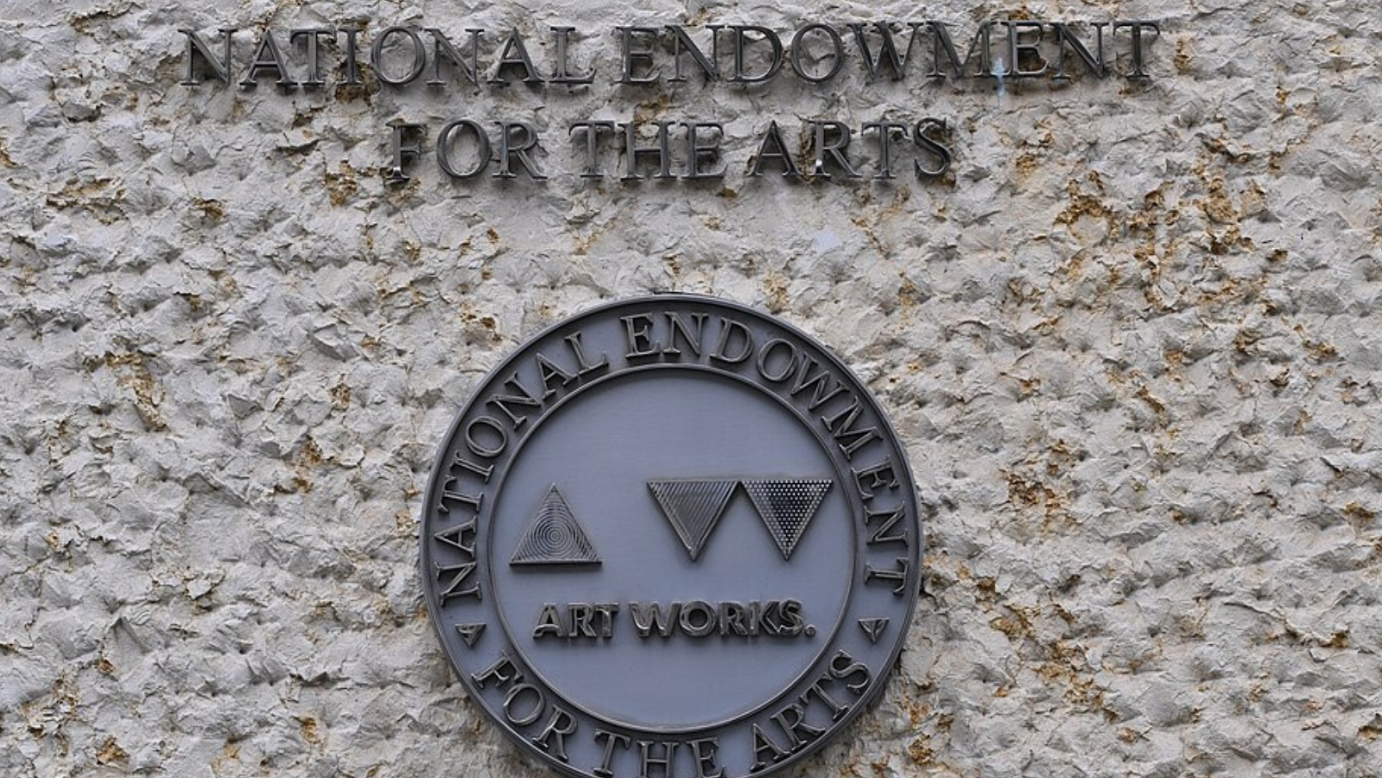
This month, Congress passed a funding bill that allocates $207 million each to the National Endowment for the Arts (NEA) and the National Endowment for the Humanities (NEH) for fiscal year 2026. The bill, which includes funding for a wide range of government agencies, now awaits the President's signature to go into effect.
This is a meaningful win for arts and culture after a tumultuous year of threats to completely eliminate the NEA, and brings some stability for the sector. At the same time, advocacy remains critical. This funding does not reverse the losses that hundreds of arts organizations faced when previously-awarded NEA grants were rescinded last spring. It also does not undo the fact that a third of NEA staff were dismissed in the past year. While the bill provides level funding, it does not guarantee equitable distribution, as some funds may be earmarked for new initiatives, like Trump’s National Garden of American Heroes, rather than longstanding programs, with potential impacts on BIPOC and LGBTQ+ arts organizations amid shifting priorities.
- Learn more about the federal funding bill
- Check out AFTA's timeline of federal arts and culture news updates
- Review Dance/NYC’s Advocacy Alert about the NEA grant terminations
Image by G. Edward Johnson, CC BY 4.0