



Dance Worker Digest | May 2026
Thursday, May 28, 2026
Dance Worker Digest | May 2026

Dance Worker Digest
May 2026
This month's Digest covers the Mamdani administration's FY27 Executive Budget, backed by a new $4 billion state aid deal; Colorado's landmark passage of the Artist Corporation bill, establishing the first artist-centered business structure in the country; a new NYC Council bill to create a Freelancers' Payment Fund; and a new report from Beyond Neutrality on the rise of unionization in nonprofit dance.
Mayor Mamdani Releases Executive Budget with $4 Billion Additional State Aid
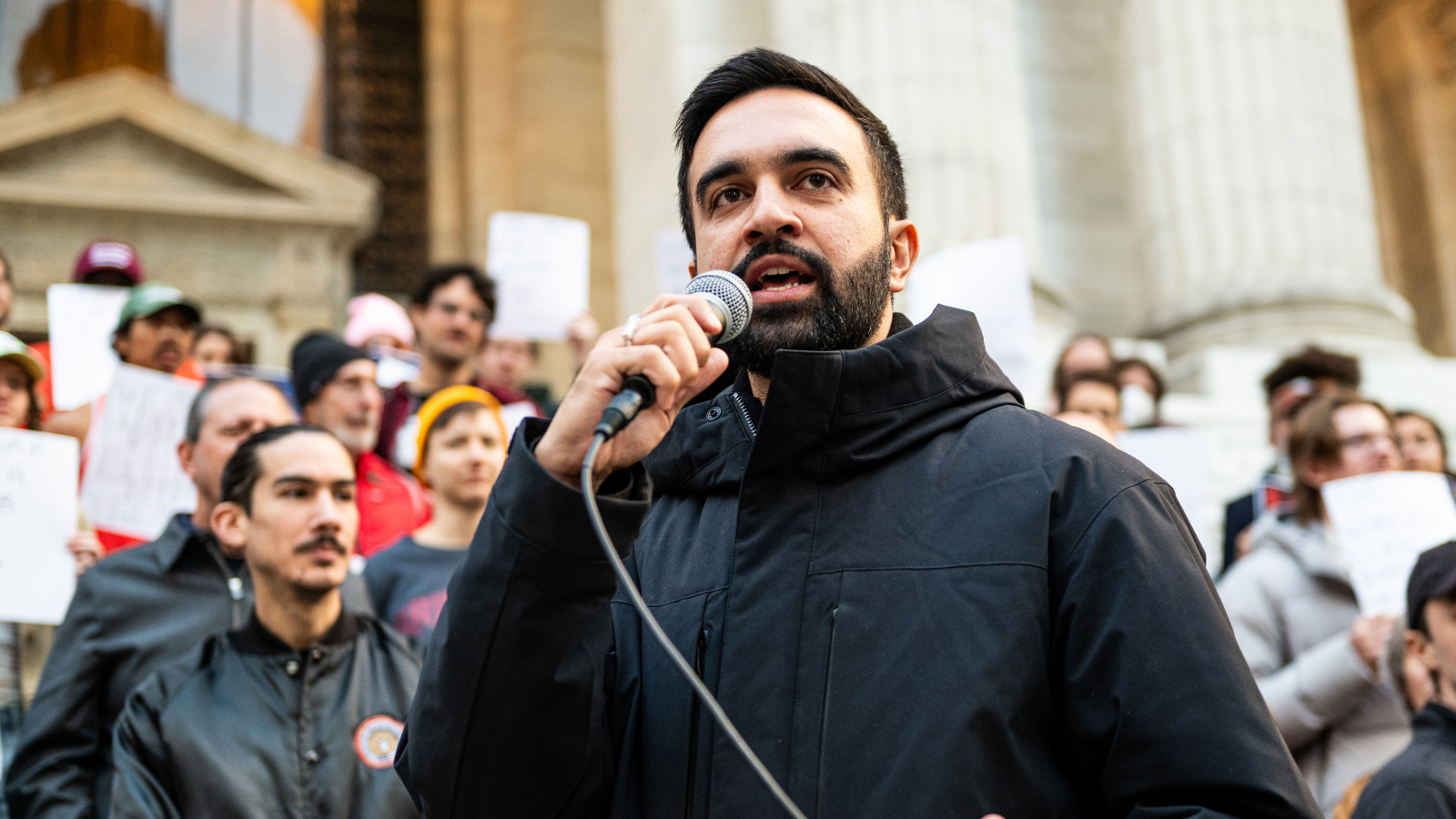
Mayor Mamdani released his FY27 Executive Budget. This proposal is the latest move the city’s annual budget process, through which the Mayor and the City Council must agree on funding for government services by June 30.
A central focus of this year’s process has been on closing the city’s projected budget deficit estimated at around $5.4 billion. On May 12, Governor Hochul and Mayor Mamdani reached a deal to direct $4 billion in state aid to the city—including revenue from a tax on luxury second homes—to help close the gap. Combined with additional savings, this added state revenue full closes the deficit in Mamdani’s proposal.
Arts advocates have called for a $30 million increase to the baseline funding for the Department of Cultural Affairs (DCLA), which would maintain last year's record-high funding levels and secure it for future years. The Executive Budget includes a $10 million increase to DCLA's baseline, along with funding to hire more teachers and baseline additions for parks and libraries.
- Review the Fiscal Year 2027 Executive Budget proposal for New York City
- Learn more about the state aid to close the NYC budget gap
- Check out the NYC Arts in Education Roundtable’s statement on the Executive Budget
Photo by Bingjiefu He via Wikimedia Commons, CC 4.0
Artist Corporation Bill Passes in Colorado Establishing First Artist-centered Business Model
A state bill establishing a legal model for the Artist Corporation (A-Corp) passed the Colorado state legislature in early May. Now, it must be signed by the Governor before it takes effect in 2027.
An A-Corp is a type of Limited Liability Company (LLC) designed to target the needs of artists. It allows artists to bring in investors while centering an artistic mission, protecting intellectual property, and retaining majority artist ownership. For dance artists weighing the benefits and drawbacks of traditional for-profit and nonprofit business models, the A-Corp provides a valuable alternative.
The establishment of the Artist Corporation in Colorado may pave the way for adoption in other states. It could also open up room for more conversation about the economic and legal needs of artists within complex business structures.
- Learn more about Artist Corporations
- Learn how the Artist Corporation bill passed the Colorado legislature
- Review Hyperallergic’s breakdown of the Artist Corporation
Workmark by Artist Corporations Foundation
Bill Introduced to Establish City-Run Freelancers Payment Fund
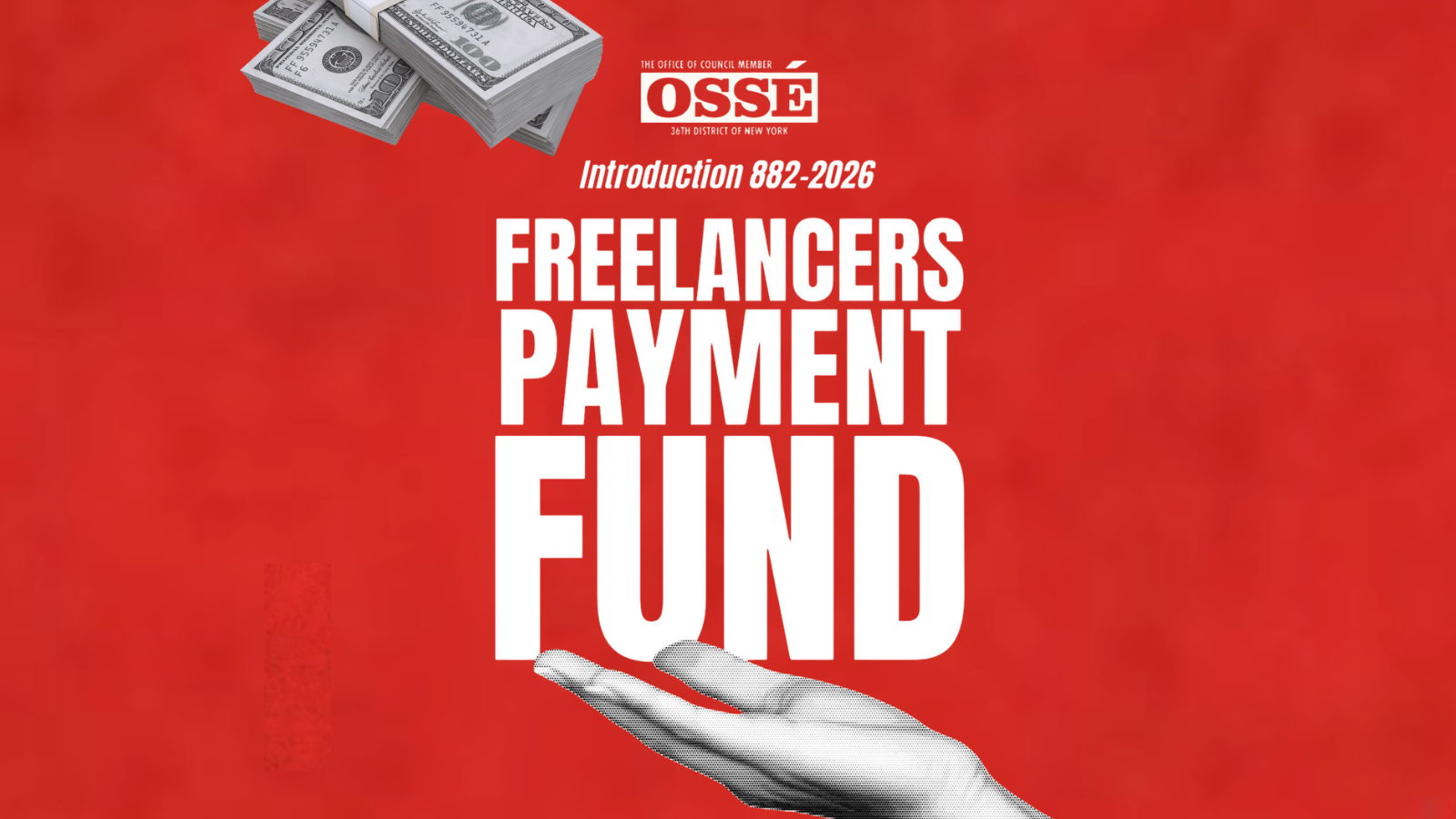
Council Member Chi Ossé introduced a new bill in the New York City Council that would establish a city-run Freelancers Payment Fund with the goal of reducing payment delays.
Under the bill, when freelancers complete contract work, they can opt-in to be paid directly by the city by paying a fee. Since the worker wouldn’t have to wait for the client to pay out, this could potentially speed up the payment process and reduce administrative burden. Then, the city would be responsible for being reimbursed by the hiring entity.
Under the Freelance Isn’t Free Act, all freelance workers are entitled to a contract, full payment in 30 days, and protection against retaliation. Still, issues of late and nonpayment remain endemic. According to the State of NYC Dance 2023 Report, over 1 in 3 dance workers see their work in dance as part of the gig economy, making this bill of particular relevance to the dance community.
- Check out the Freelancers Union’s coverage on the proposal
- Review the press release on the Freelancers Payment Fund bill
- Review the text of the Freelancers Payment Fund bill
Graphic by Office of Council Member Chi Ossé
Beyond Neutrality Releases Report on the Rise of Unionization in Dance
Beyond Neutrality has released a new report on the rise of unionization in nonprofit dance and the visual arts, drawing on perspectives from both nonprofit leaders and workers. Beyond Neutrality describes its mission as supporting nonprofit leadership in responding to unionization in ways that are pro-union, anti-racist, and mission-driven.
The report frames unionization in nonprofit arts as both a disruption and an opportunity. It traces the rise of organizing to increasing economic instability and values misalignment, and documents how workers navigate fear of retaliation and slow bargaining processes. It also examines how nonprofit leaders are under-resourced and underprepared to respond, particularly while managing their own organizational precariousness. Despite these tensions, both workers and leaders showed deep commitment to their work, and workplaces that underwent unionization reported greater fairness, transparency, and mission alignment.
The report calls for more resources tailored to arts nonprofits and the demystification of the unionization process. It also recognizes a critical gap: in a largely freelance dance industry, most dance workers lack access to unionization. This points to the need to build models for fair pay, safe working conditions, and collective power beyond traditional union structures.
- Check out Beyond Neutrality’s report on unionization in dance
- Review notes from Dance/NYC's Field-Wide Call with Beyond Neutrality on the report’s preliminary findings