


Dance Worker Digest | November 2025
Wednesday, November 26, 2025
Dance Worker Digest | November 2025

Dance Worker Digest
November 2025
This month brought major developments shaping the landscape for cultural workers, from national protest actions to new labor agreements on Broadway. Federal efforts to limit state authority over AI continue to raise concern, while New York City advances a bill that could expand access to affordable housing for artists. Together, these shifts reflect the pressures and possibilities facing our field as we close out the year.
Cultural Workers Organize Fall of Freedom Protest Events Nationwide
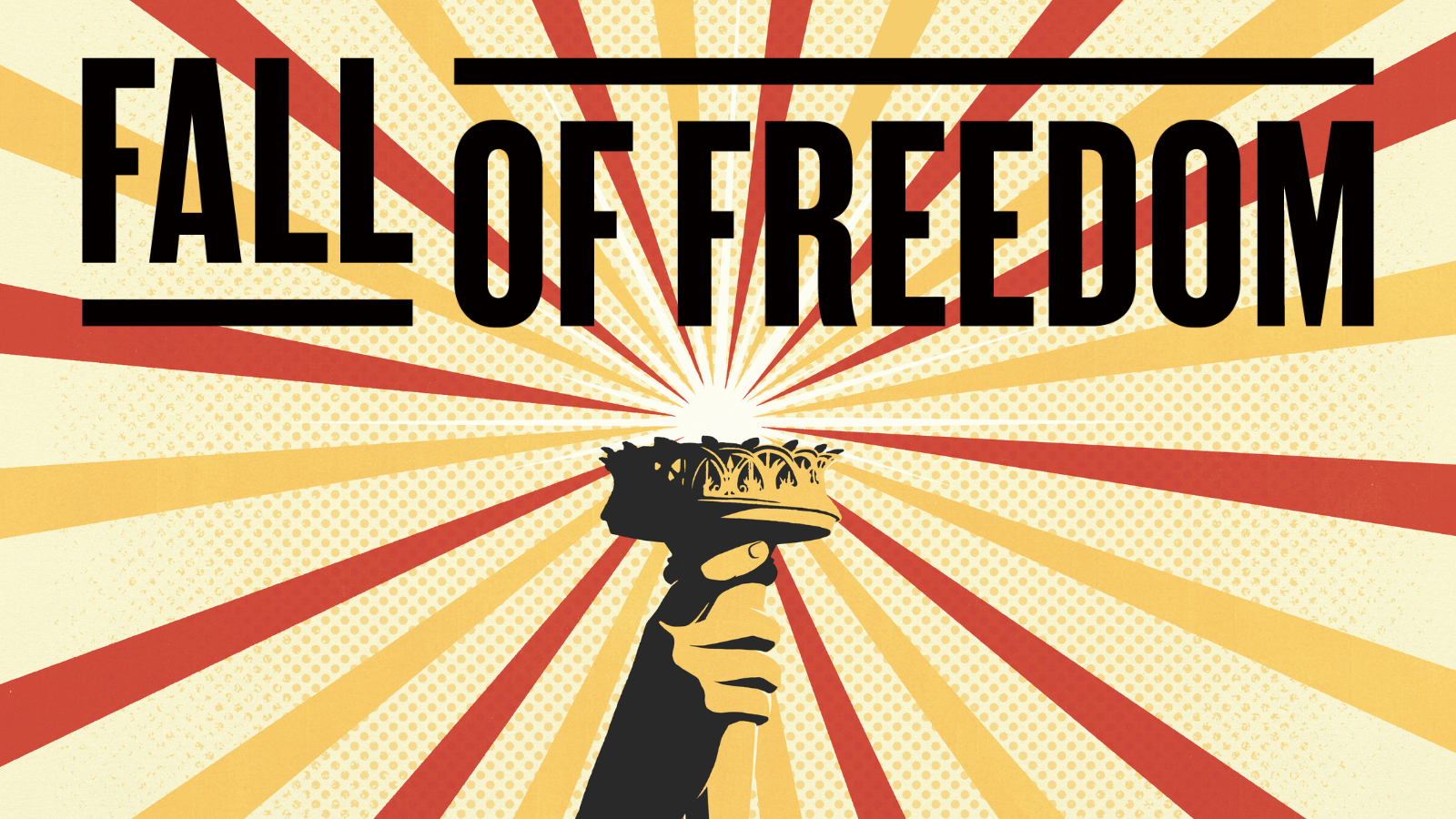
On November 21 and 22, cultural workers and organizations across the country organized over 700 cultural events in defense of democracy and free expression. Under the Fall of Freedom banner, activities ranged from banned book readings to drag performances, including a “Wood Spoons for Freedom” protest dance event in New York City. The effort drew significant media attention and support from artists such as Ava DuVernay and John Legend.
These activations come as artistic expression faces growing political pressure. This year, the Trump administration attempted to eliminate the National Endowment for the Arts, introduced grant restrictions targeting LGBTQ+ and equity-forward programming, and took control of the Kennedy Center, where performances were cancelled, and the entire dance programming team was dismissed amid unionization efforts. The administration has also mounted attacks on the Smithsonian, demanding that it be purged of “improper ideology.” In this climate, the Fall of Freedom activations highlight the determination of cultural workers to push back against censorship and political interference.
- Check out the Fall of Freedom website
- Review coverage on the Fall of Freedom protests
- Review Dance/NYC’s May Advocacy Alert to learn more about attacks on the NEA
- Learn more about what’s happening at the Kennedy Center
Photo credit: Fall of Freedom
Broadway Actors & Musicians Ratify New Union Contracts, Avoiding Strike
.png)
After months of tense negotiations and the real possibility of a strike, Broadway actors and musicians ratified new union contracts, representing a major win for labor in the performing arts. The agreements cover members of Actors’ Equity, which represents about 20% of unionized NYC dance workers, and the American Federation of Musicians Local 802. More than 1,300 Broadway workers signed onto a letter demanding humane scheduling, health benefits, and safety measures after both contracts expired earlier this fall.
The new agreements include gains that protect dance and other cultural workers on Broadway. Amongst these is the stabilization of the actors’ healthcare fund, which was projected to fall into a deficit by next spring. It also included a 3% annual pay raise on the minimum wage, scheduling limits, and physical therapy protocols. Not all constituents of the union agree that these gains are substantial, however.
- Check out Actors Equity’s letter to the Broadway League
- Review coverage on how the Broadway strike was avoided
- Learn more about AEA's ratified contract
Federal Administration Renews Attempts to Block States from Regulating AI
.png)
Following the release of the Trump administration's AI Action Plan in July, federal leaders are making new attempts to block states from passing their own AI regulations. President Trump is drafting an executive order threatening lawsuits and funding cuts for states that adopt AI laws, and Congressional representatives are considering adding similar provisions to the National Defense Authorization Act—a must-pass budget bill unrelated to tech policy. Dance/NYC has joined other organizations in opposing this effort.
These actions come as the RAISE Act, which establishes baseline AI safety measures in New York, is awaiting Governor Hochul’s signature to become law. This kind of federal preemption has the potential to weaken the RAISE Act and similar legislation. At the same time, philanthropic groups are pushing for more humane and equitable AI systems, with leaders launching Humanity AI, a $500 million initiative to advance AI implementation that protects democracy, education, culture, labor, and security. The initiative names how AI implementation must protect creative workers’ ownership of their work.
- Learn more about recent attempts to block state AI regulations
- Review Dance/NYC’s Advocacy Alert on the RAISE Act
- Learn more about the Humanity AI initiative
City Council Introduces Bill Reducing Barriers to Affordable Housing for Artists
.png)
On November 12, Council Members Keith Powers and Erik Bottcher introduced a new bill that would make it easier to create affordable housing for artists. Currently, NYC law dictates that housing accommodations cannot discriminate by occupation. This was originally intended to solve the problem of landlords discriminating against lawyers. However, it has been used to argue against the creation of more affordable artist housing. The new bill would amend this law, adding a line clarifying that this does not prohibit the city from creating housing with a preference for “individuals who are involved in artistic activities.”
For decades, artist housing complexes like Westbeth and Manhattan Plaza have been bastions of affordability for artists, signaling the value of creating a city hospitable to cultural workers. As our State of NYC Dance 2023 Report shows, dancers and choreographers earn under $40,000 a year while working an average 4.5 jobs, making dedicated affordable housing more essential than ever. Dance/NYC spoke at a recent press event in support of the bill and and the need to strengthen housing access for dance workers.
- Check out coverage about the new artist housing legislation
- Experience footage of the event
- Review the text of the artist housing bill
- Learn more about existing housing opportunities for artists
Photo credit: Courtesy of the Entertainment Community Fund